

In January I got the notice: my A1C was off the chain.
It wasn’t the first time. Back in June 2024 it had come back at 9.83, and I told myself I’d deal with it. When my labs came back on February 3, 2026, it was 11.6. That’s roughly double the top of the normal range (4.8 to 5.6).
This time I decided to get serious.
So I did what any self-respecting health advocate would do
I went straight to one of my AIs and asked it to help me put together a 90-day reset for my type 2 diabetes.
What we built had a lot of moving parts, and not all of them turned out to matter. But the core was simple: track everything, every day. My daily log had:
- Blood sugar readings
- Blood pressure
- Weight
- Every supplement and herbal tea I took, and when
- Exercise (more on that later)
- Sleep
I also wrote down all the foods I normally ate and when I ate them. That part alone was an eye-opener.
I had a head start on the herbs. One of my cousins had just finished her certification as an herbalist, so my cabinets were already stocked. I knew a little about what I needed, but I hadn’t pulled it all together. The AI helped me bring in a few new things, but mostly it helped me get clear on what I needed to take and when.
I asked my doctor for 90 days
Before all this, I was only taking insulin at night, and I was so sporadic about it that I knew I needed to take matters into my own hands.
At numbers like mine, the conversation was about more insulin, possibly before every meal. In fact, the prescription was already in my fridge, but I just couldn’t bring myself to do it. My doctor also wanted to add a once-a-week injection. Jeez… So in February I went in and told him I was already on it. I laid out the protocol: I’d change the way I eat, add supplements, and try to throw some exercise in there too. And I asked him to give me 90 days first.
For those 90 days I took no diabetes medication at all. Just food changes, supplements, and cutting way back on carbs. (Yes, that included my dearly beloved Food Lion chocolate chip cookies. Those cookies are the bomb!)
I’ve always been up front with my doctors about what I am and am not doing. If you take one thing from this post, let it be that.
What changed on my plate
Psyllium husk before meals. I drank psyllium husk stirred into water about half an hour before my meals. Hey, that’s a lot better than sticking yourself before every meal! Psyllium is a soluble fiber, and research suggests it can help blunt the blood sugar rise after eating. The one I use is NuSyllium Organic Psyllium Fiber Therapy, unflavored. I get it at Walmart, though they don’t always have it in stock. I tried a popular one on Amazon, but it was ground too fine for me and hard to stir smooth.
After a while I got tired of drinking it, so I started stirring it into my oatmeal instead. (A word of caution: psyllium thickens fast, so timing matters. Go gently. Need help getting it right? Ask me in the comments.)
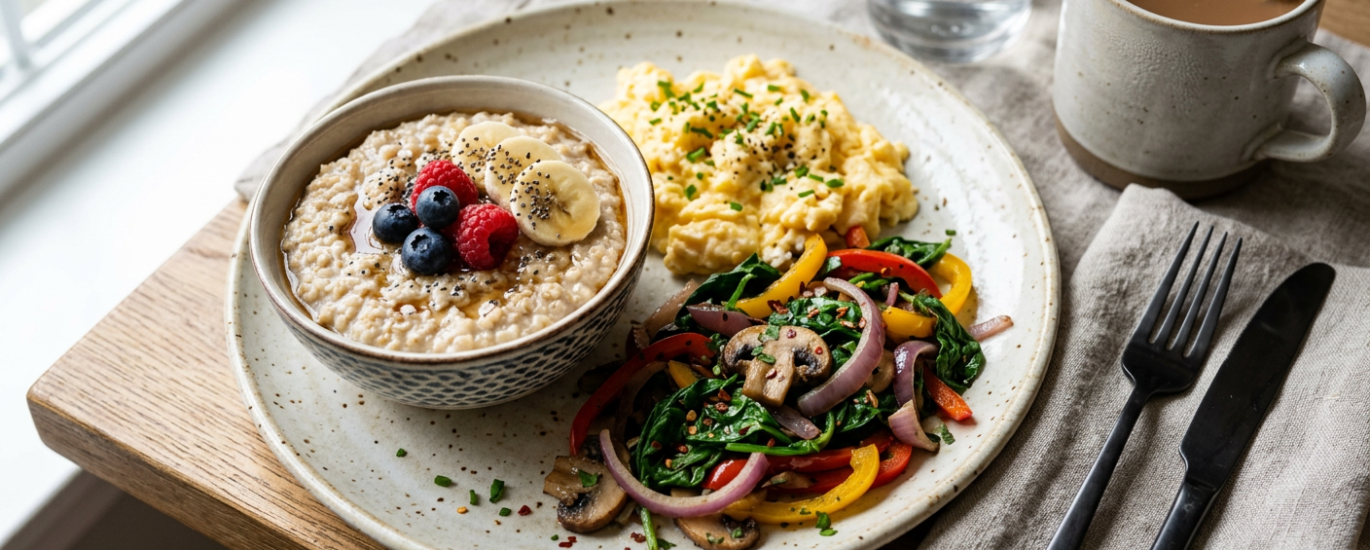
A new breakfast. I started with breakfast because that’s the meal I control best. My new routine was:
- Eggs
- Organic oatmeal, with no sugar, because I’ve never liked sugar in my oats
- A stir-fry of spinach, onions, bell pepper and mushrooms (you choose your mix)
- Herbal teas: hibiscus, green tea and others I rotated through
Nothing fancy. Real food I could make while still half-asleep.
The supplements, and the morning my meter said 88
I’d been reading the research on berberine. A few small studies have compared it with metformin for lowering blood sugar, and that got my attention. So I added it, along with a few others I’d researched.
On day one, I took my supplements before my meal and then watched my blood sugar go all the way down to 88 after the meal. Remember, I wasn’t on any diabetes medication.
I had never seen those digits, so honestly, it scared me. I didn’t know how low it would go. It landed on 88, but I learned something that day: these supplements are not weak. If you are taking diabetes medication, adding supplements like these can push your sugar too low. That’s one more reason your doctor needs to know everything you’re taking, and why you check your sugar often when you start something new. A CGM (continuous glucose monitor) comes in handy here, and your insurance might pay for one if you qualify.
After some testing, I narrowed it down to what seemed to be doing the heavy lifting for me:
- Berberine
- Alpha-lipoic acid (ALA)
- Chromium
- Psyllium husk (taken before the meal)
I still take the first three every day. Magnesium was already on my list, since people with diabetes are often low in it. I also told my doctor about my vitamin D3, to keep him in the loop, since my dose is a little higher than typical.
If you’re curious, the exact brands I use are here in the shop: Diabetes Support Supplements. For what the research says about each one, see my guide, Type 2 Diabetes: Natural Management Strategies.
The results
When I went back to the doctor in June, my labs showed:
A1C: 11.6 → 8.1
That’s a 3.5-point drop in about four months, with no diabetes medication. I was very glad to report it to myself and to my doctor.
Let me be clear: 8.1 is still high. I’m not cured, and I’m not done. But it was a big move in the right direction, and I did it without having added walking or other exercise yet.
The honest part
I was consistent and enthusiastic while the results were coming in. But after a while, I’ll admit it: the protocol got old.
Then my doctor started asking me to bring my cholesterol down to lower my risk of heart disease. So I built a new plan, a 120-day metabolic reset. (You know, for that cluster they call metabolic syndrome: blood sugar, cholesterol, blood pressure and the rest of the gang.)
It flopped. I got too busy to follow it.
That’s real life, and I’d rather tell you the truth than pretend every plan works.
Where I am now
These days I wear a continuous glucose monitor (CGM). It calculates something called a GMI, or glucose management indicator: an estimate of what your A1C would be, based on your recent readings.
My GMI right now: 7.2
So the trend is 11.6, then 8.1, and now an estimated 7.2. Honestly, it would probably be lower if I hadn’t stopped doing some of what I was supposed to be doing. But I’m still improving, and I’ll take it.
I’m putting together my next plan now. Next time, I’ll tell you all about the 120-day metabolic reset and why it didn’t stick.
What I’d tell a friend starting out
- Get your numbers and write them down daily. You can’t change what you don’t see or measure.
- Tell your doctor everything, including every supplement and tea.
- Start with one meal. For me it was breakfast.
- Test changes where you can, so you know what’s actually working for you.
- Watch for lows, especially if you take medication.
- Make it easy on yourself. Cook your beans on Sunday. Prep meals ahead so the plan doesn’t become a burden that knocks you off it. (I’ve got a whole list of these shortcuts, and I’ll share them in a future post.)
- Plan for the boredom. The protocol will get old. Decide ahead of time what you’ll do when it does.
But believe it or not, I had that same eggs, oatmeal, stir-fry and herbal tea this morning. I guess that’s the power of a routine. It comes back to you again and again, when you least expect it.
I’ll keep you posted on the new protocol. Wish me luck, because I’m wishing you success on your journey too.
Have you tried psyllium, berberine or a reset of your own? Tell me how it went in the comments.
Hey, this is Lo—and I gotta go…
This is my personal experience, not medical advice. My results are my own, and yours may be different. The supplements mentioned here are not approved treatments for diabetes, and they can interact with diabetes medication and cause low blood sugar. Psyllium should be taken with plenty of water and apart from other medications, since it can affect how they’re absorbed. Please don’t start, stop or change any medication or supplement without talking to the clinician who manages your care. Some links above go to shop pages with Amazon affiliate links; as an Amazon Associate I earn from qualifying purchases at no extra cost to you.